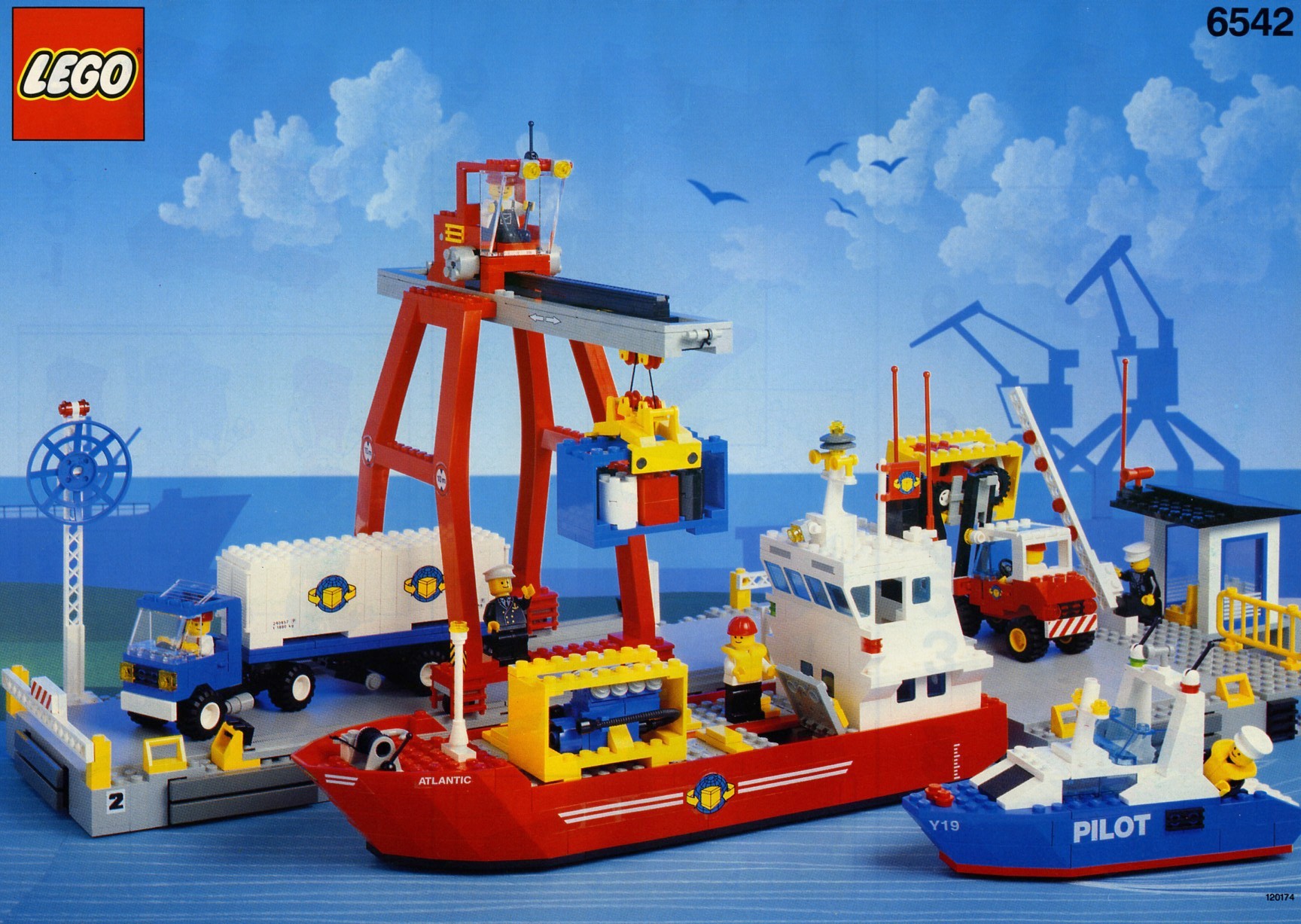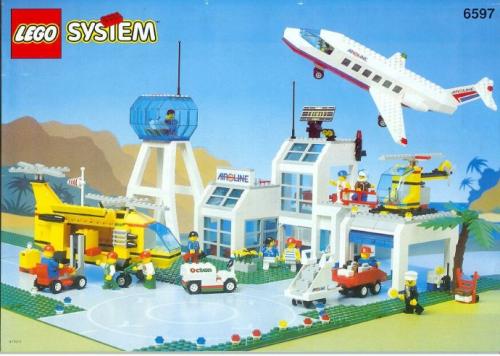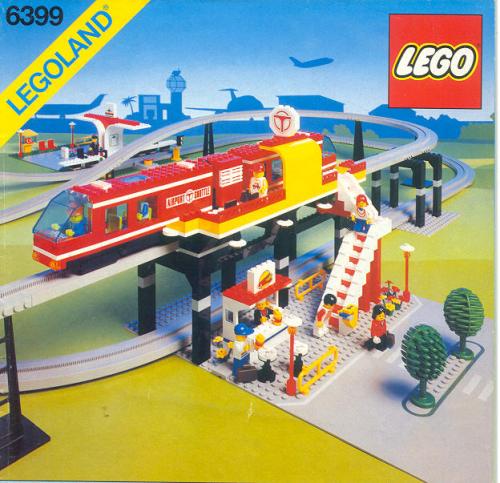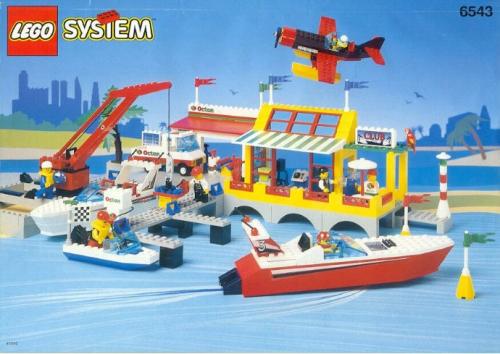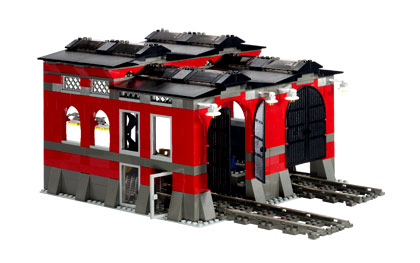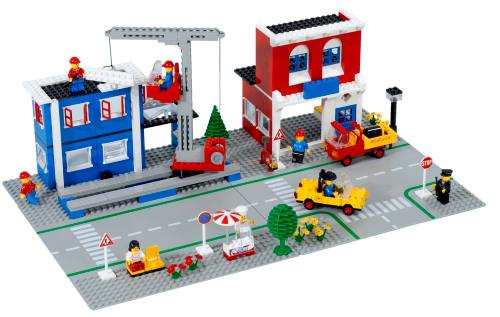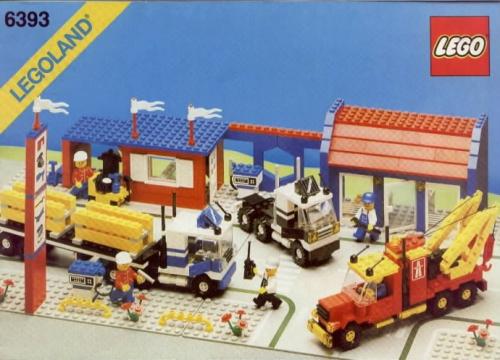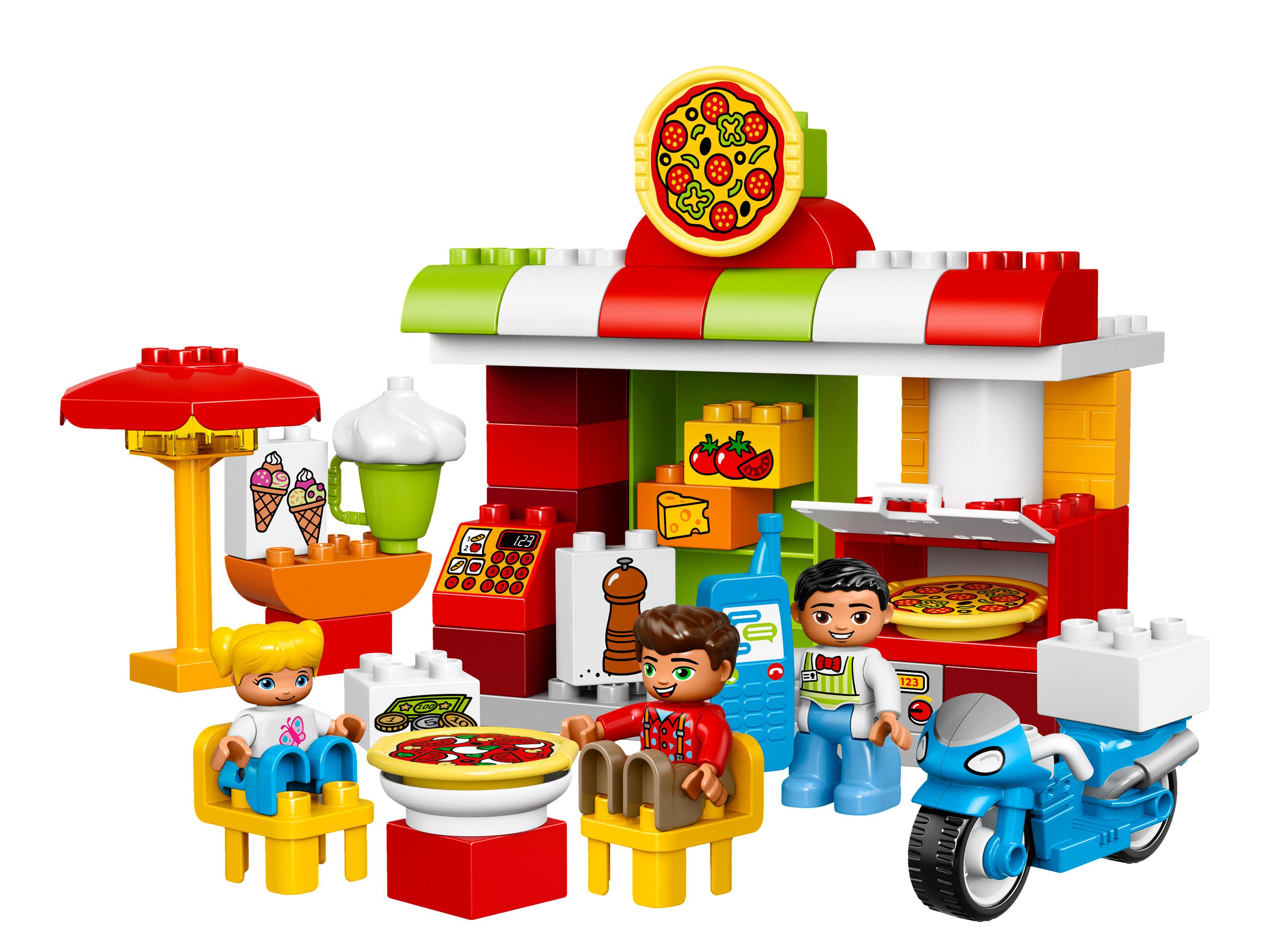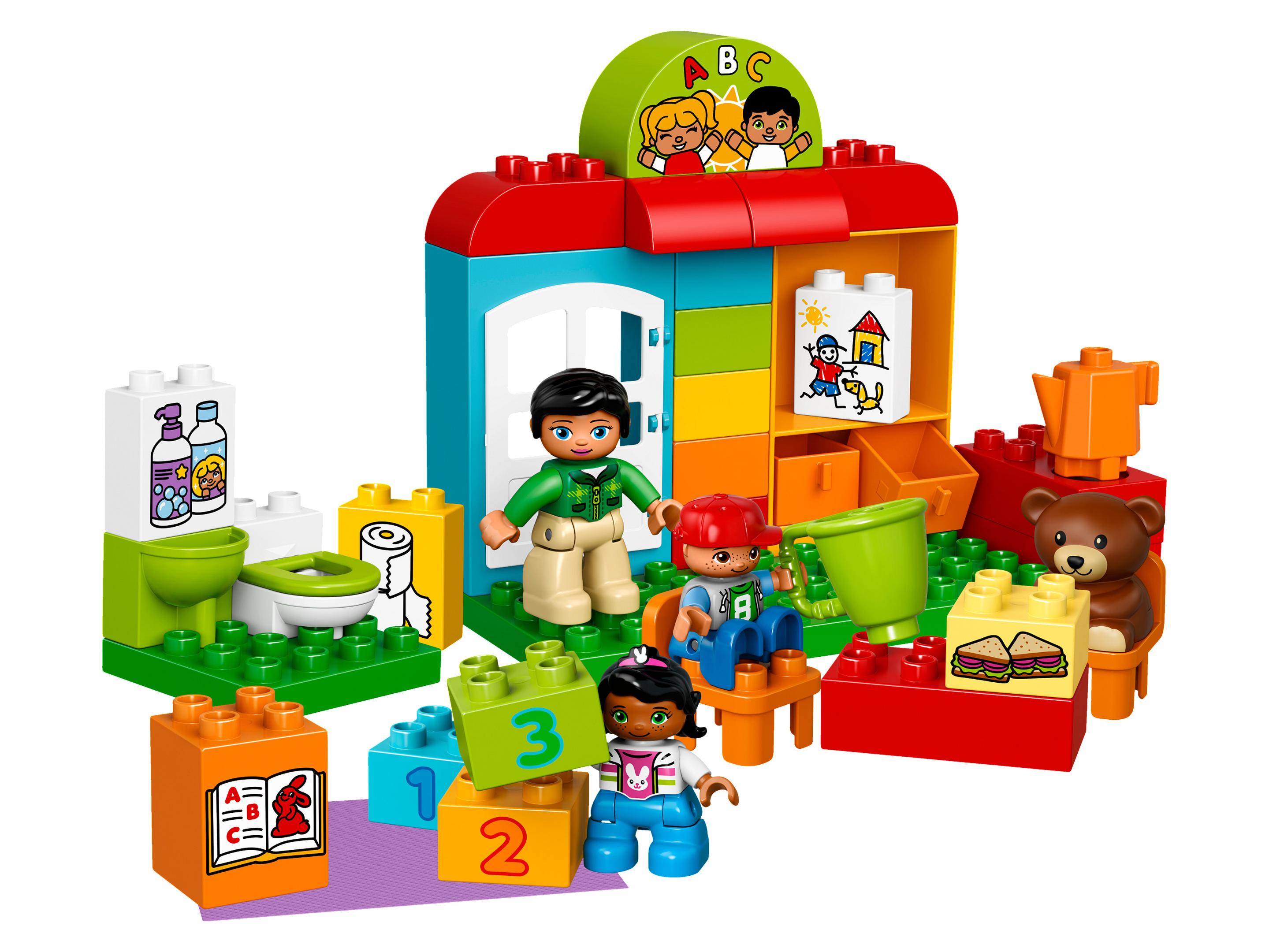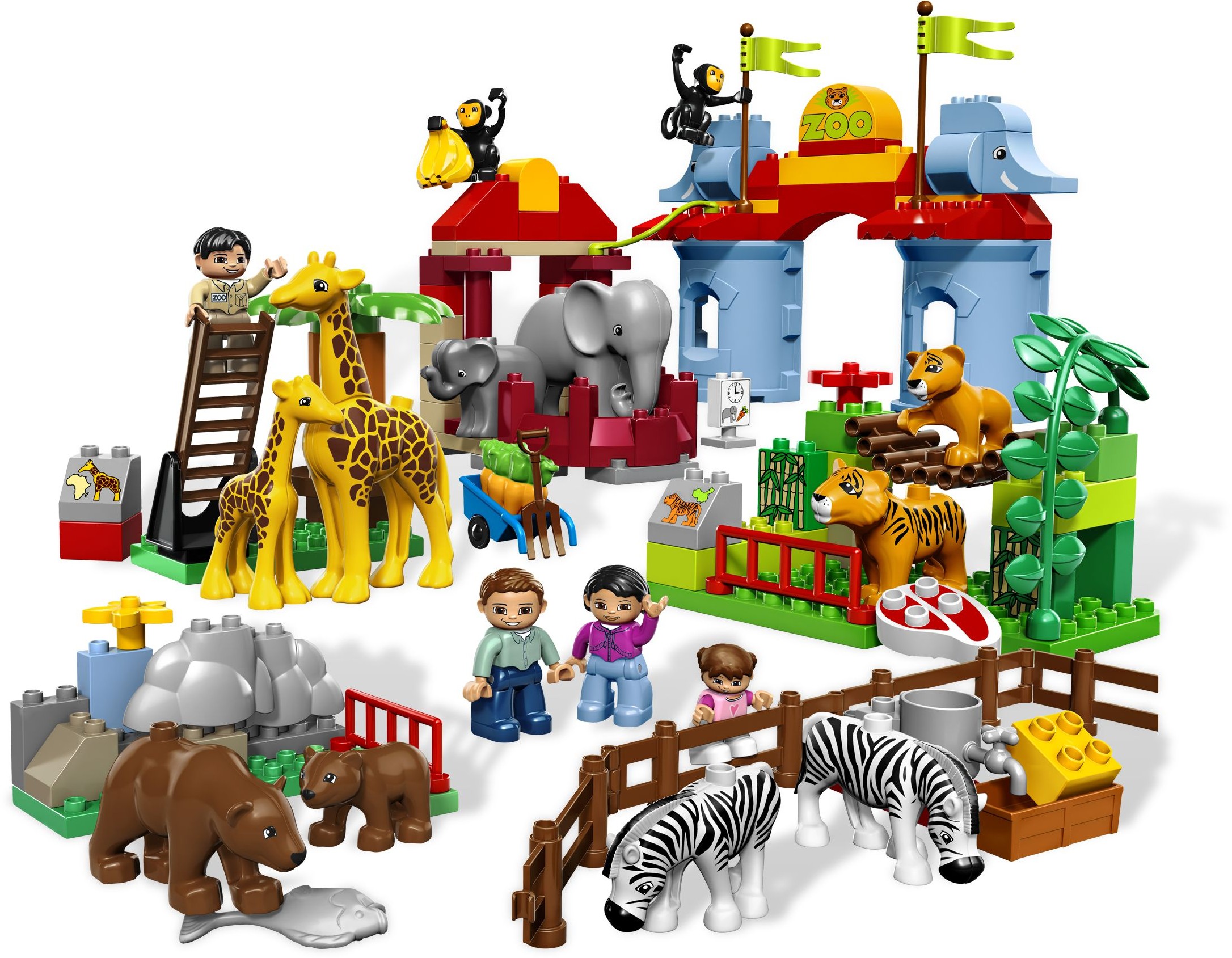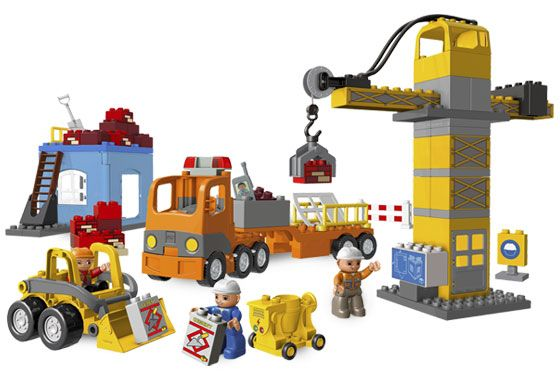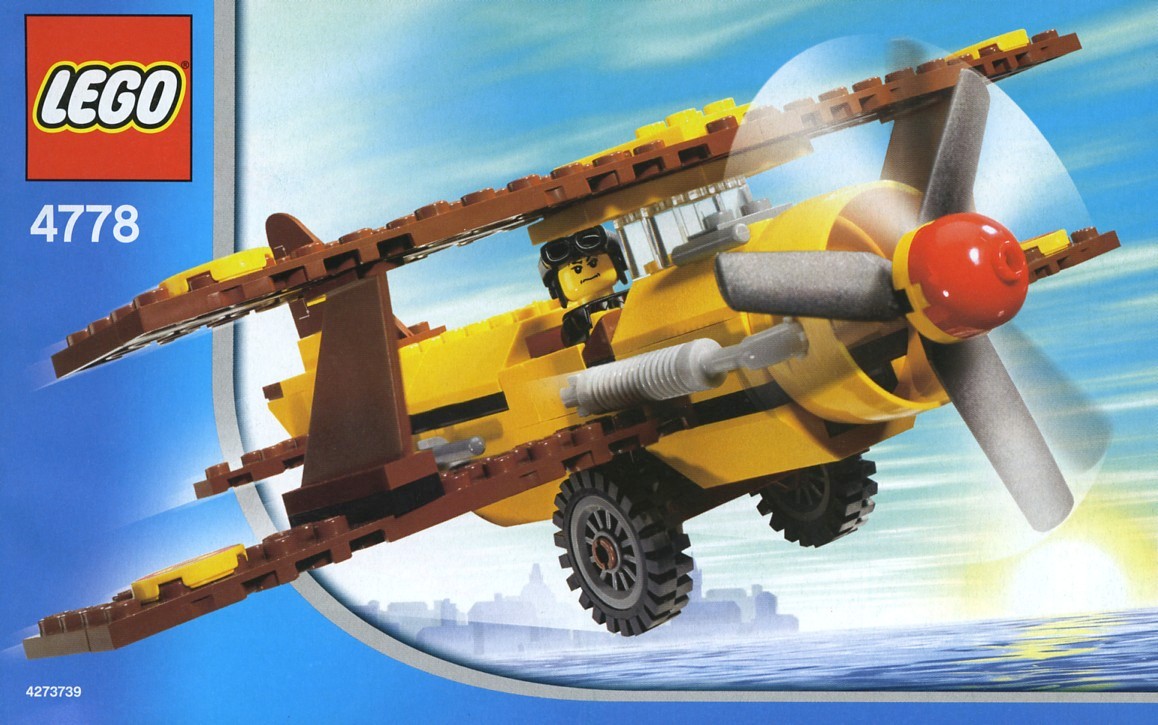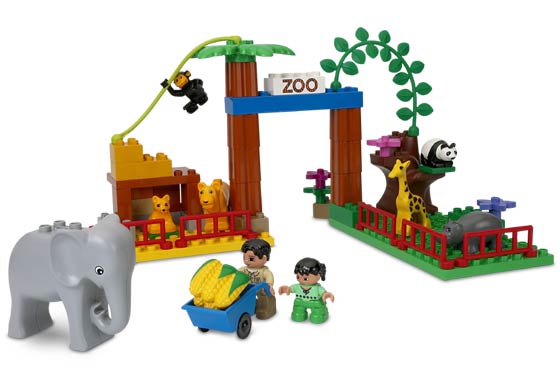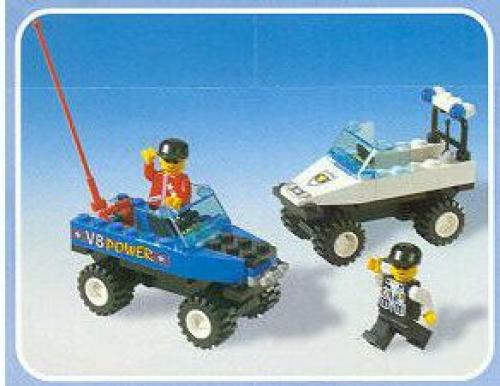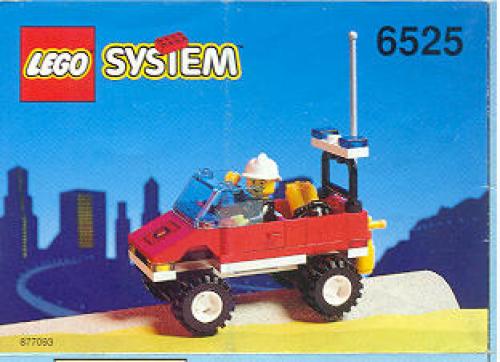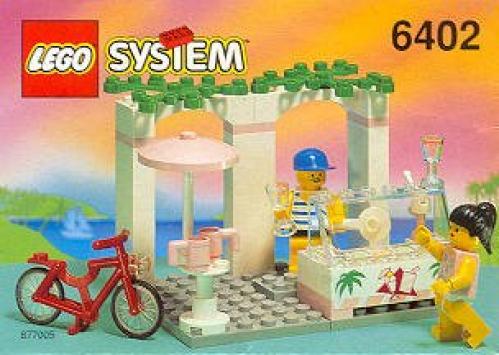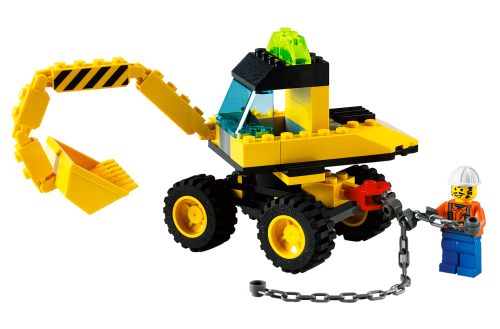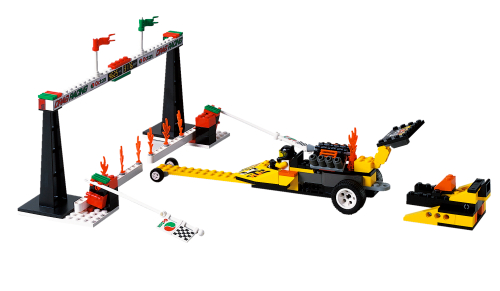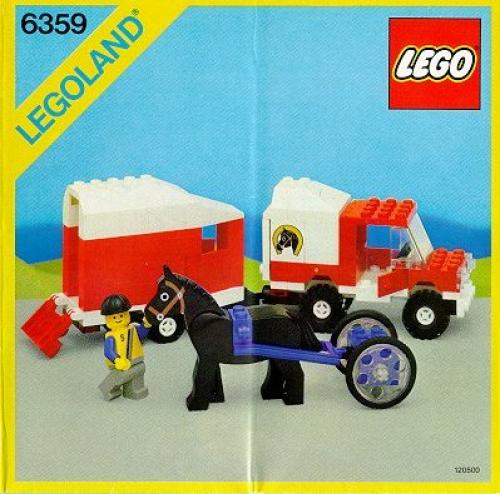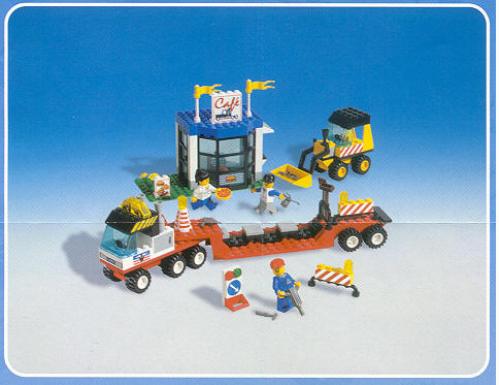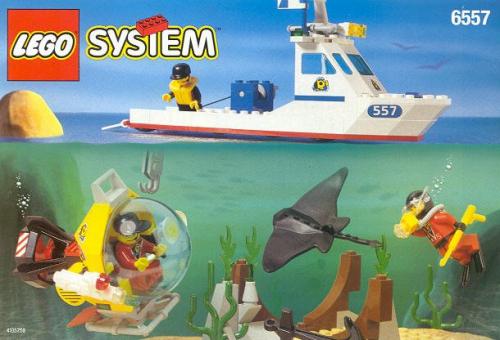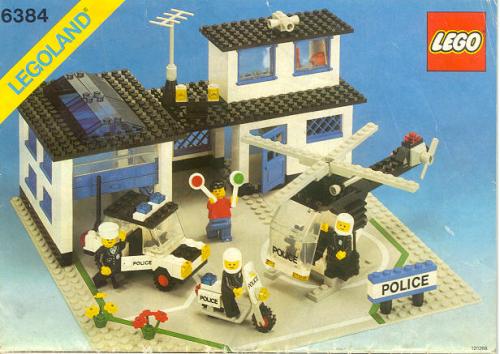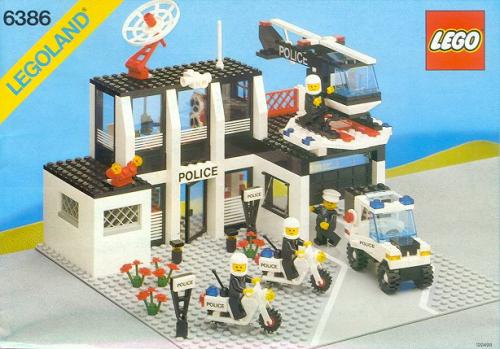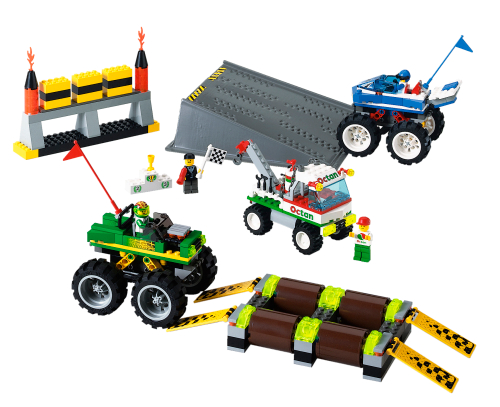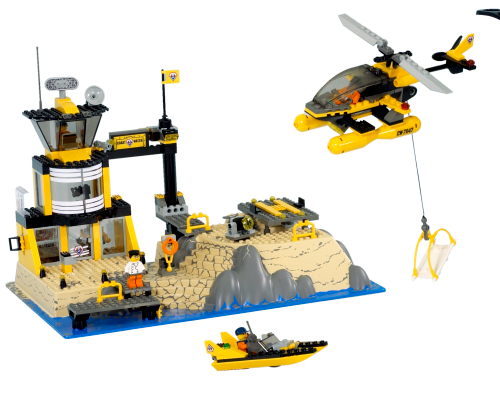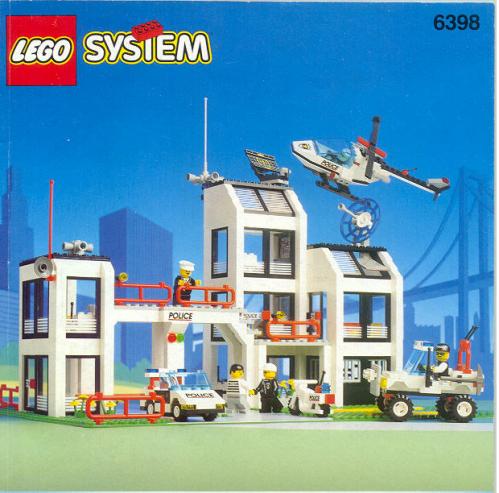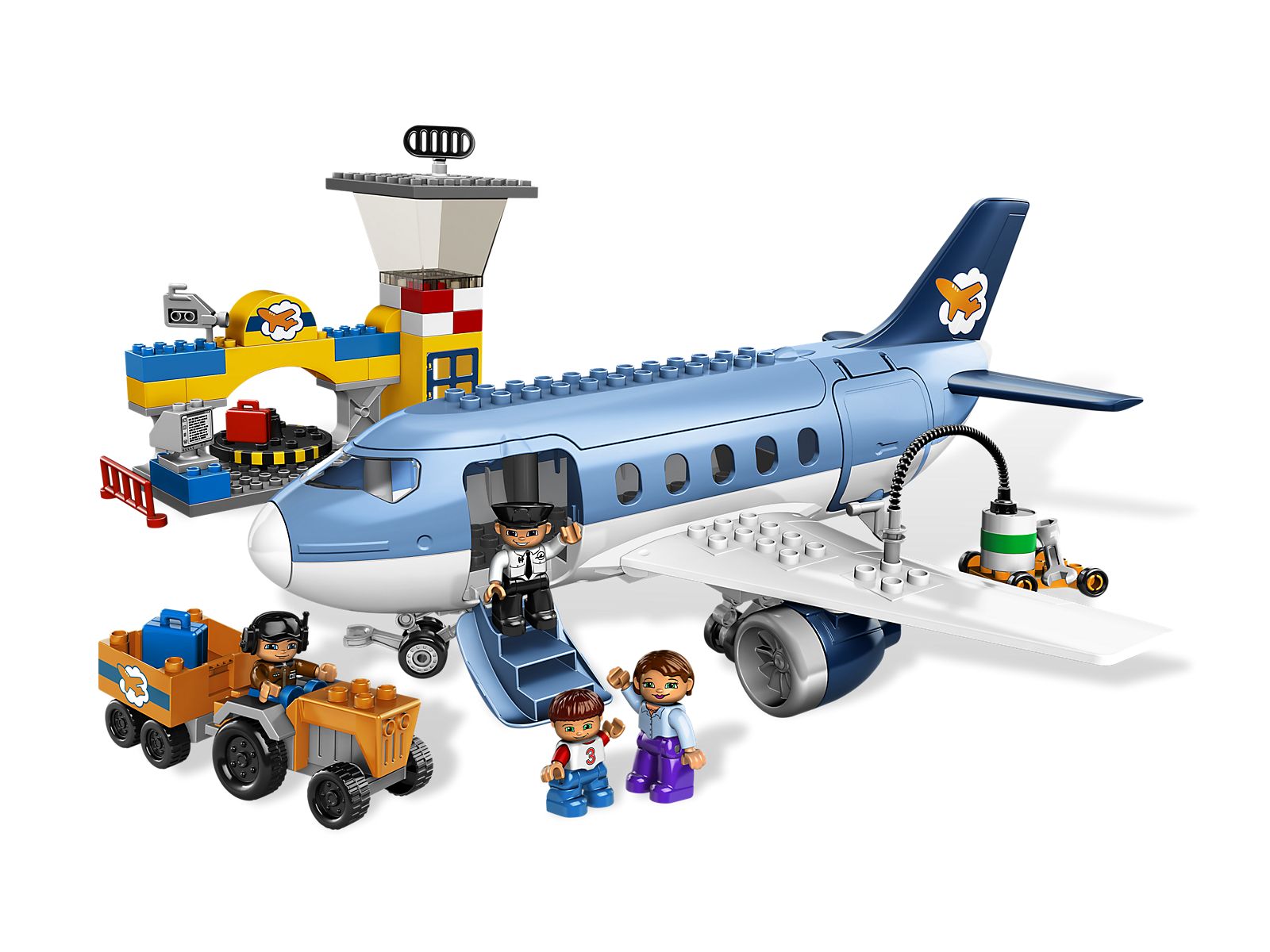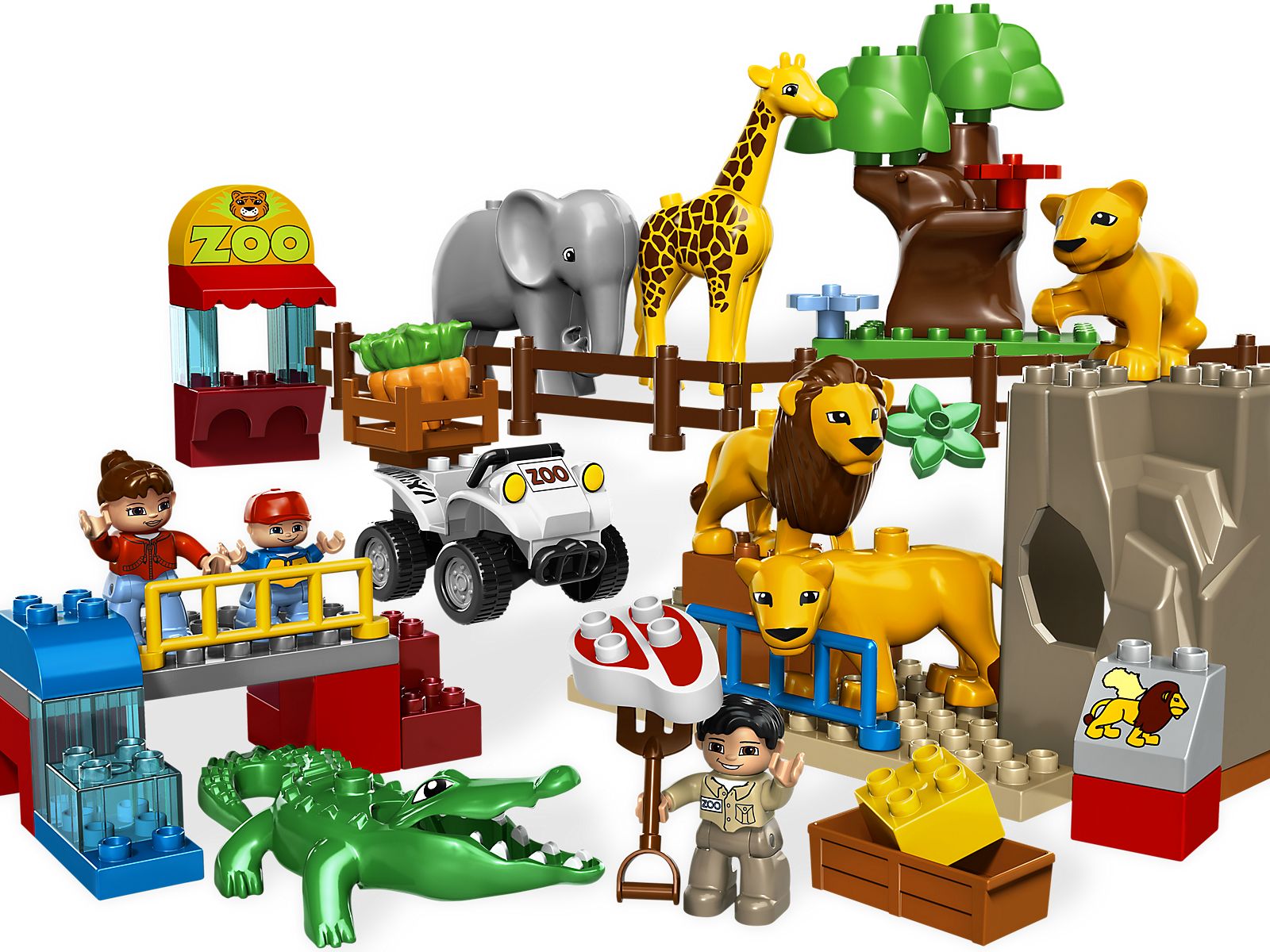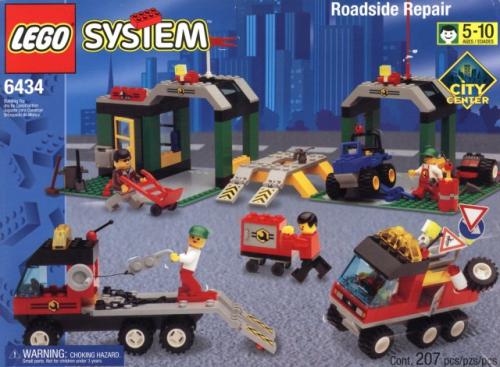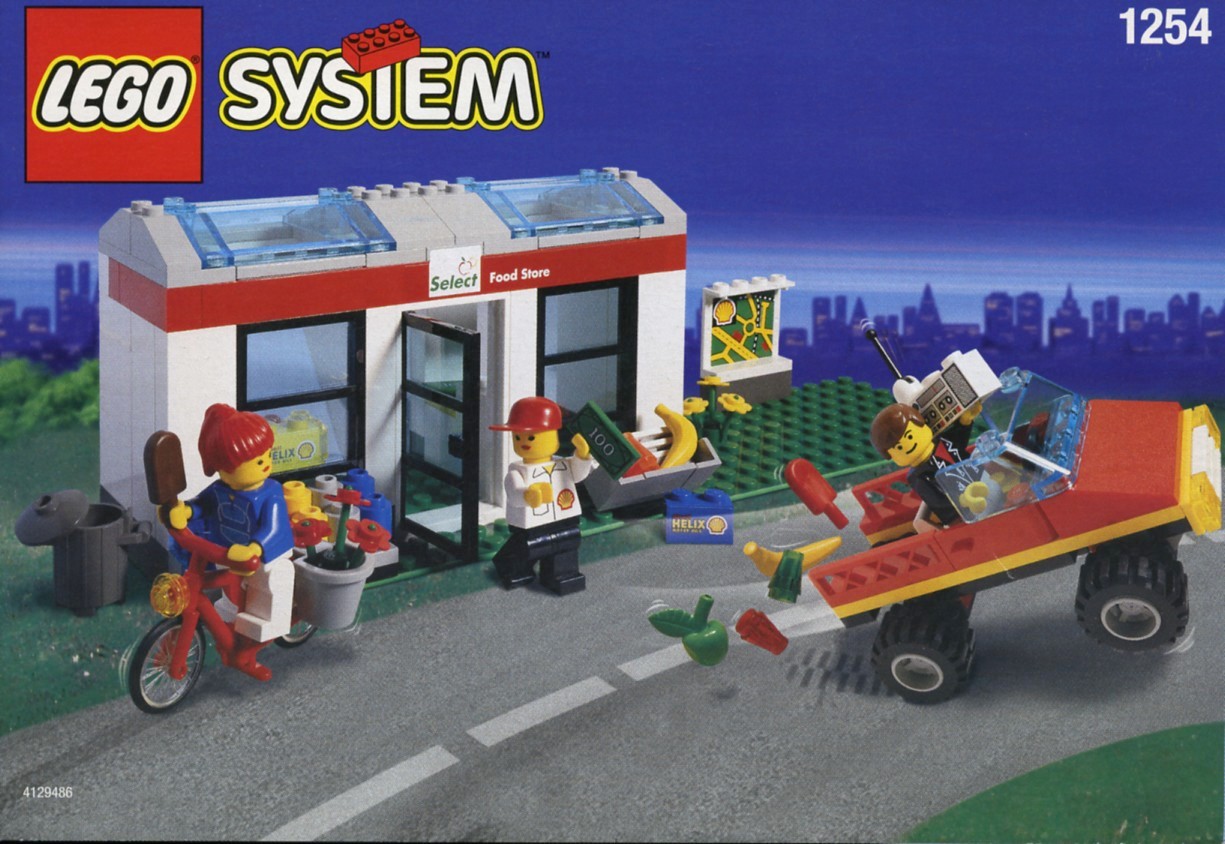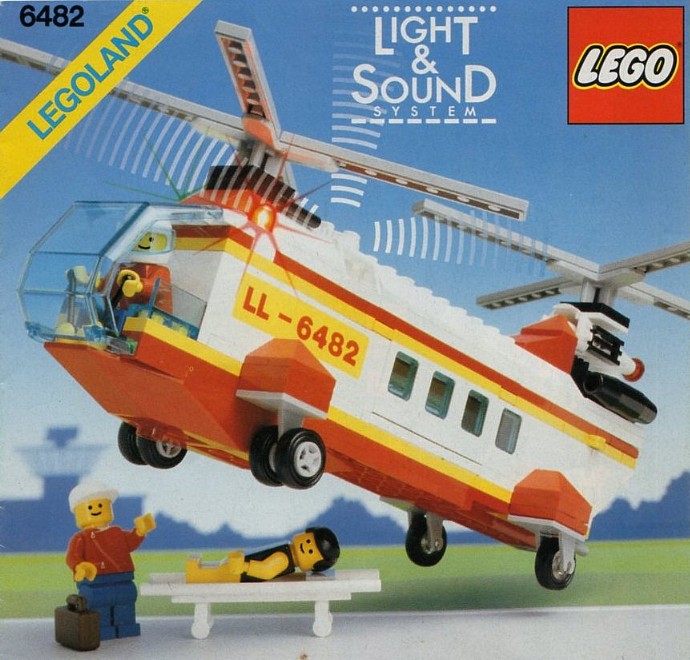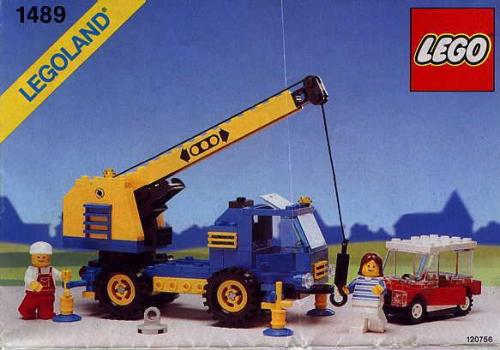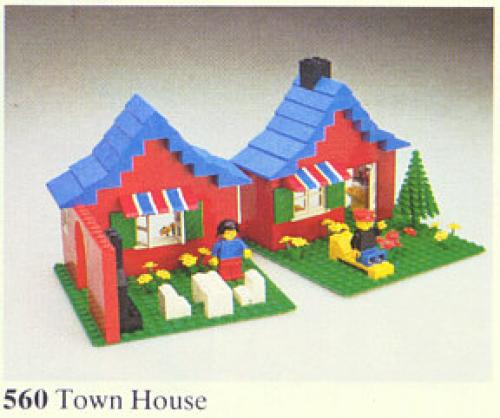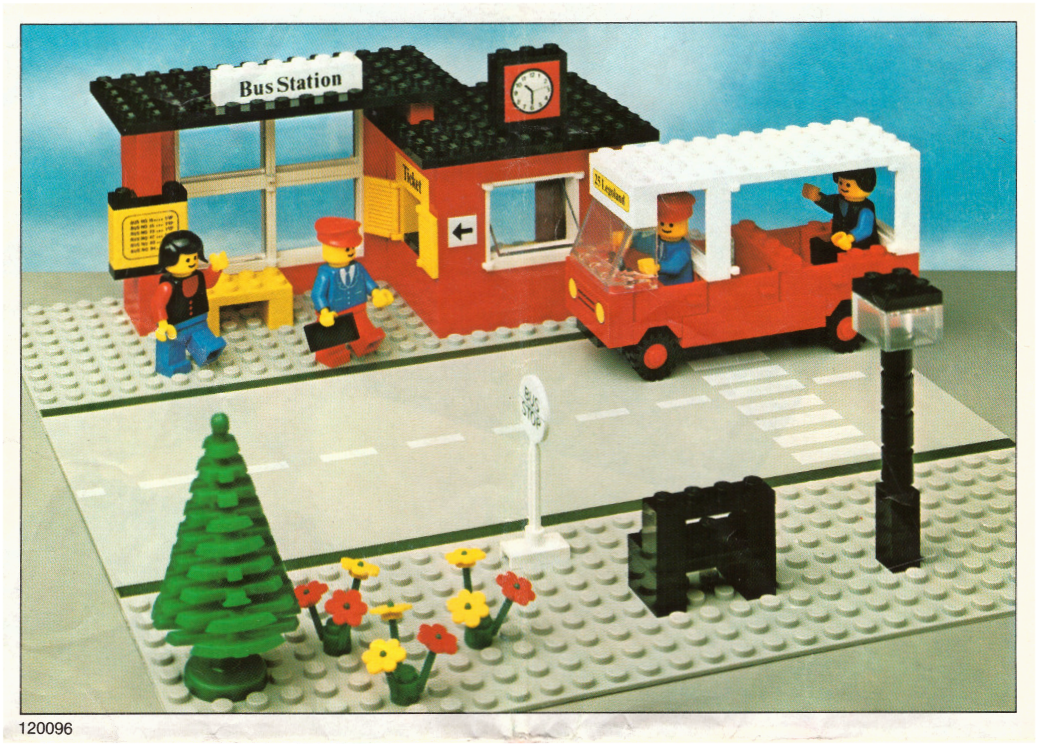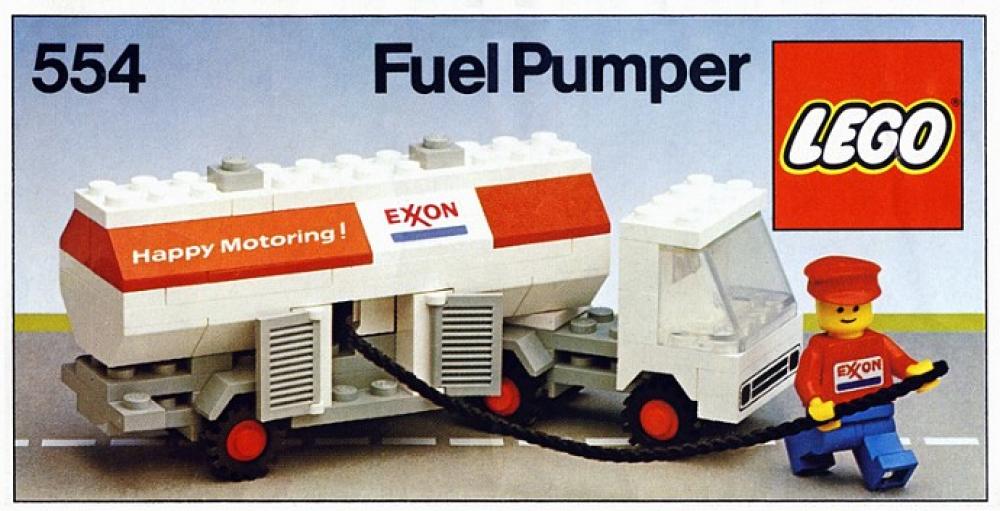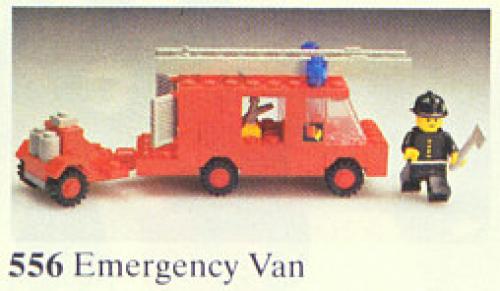
LEGO Town is the foundational theme behind everything LEGO City does today. The line ran from 1978 (when LEGO introduced the modern minifigure) through to 2004, covering twenty-six years of police stations, fire engines, gas stations, supermarkets, hospitals, ferries, airports, and small-town life rendered in LEGO bricks.
For LEGO fans of a certain age, Town is the nostalgic theme. The sets defined what "LEGO" meant for a generation — colourful minifigures with single facial expressions, simple but distinctive vehicles, modular townscapes you could connect into one big city. Many of the visual conventions that LEGO still uses today (the yellow-and-red fire trucks, the blue-and-white police cars, the green hospital crosses) were established by Town.
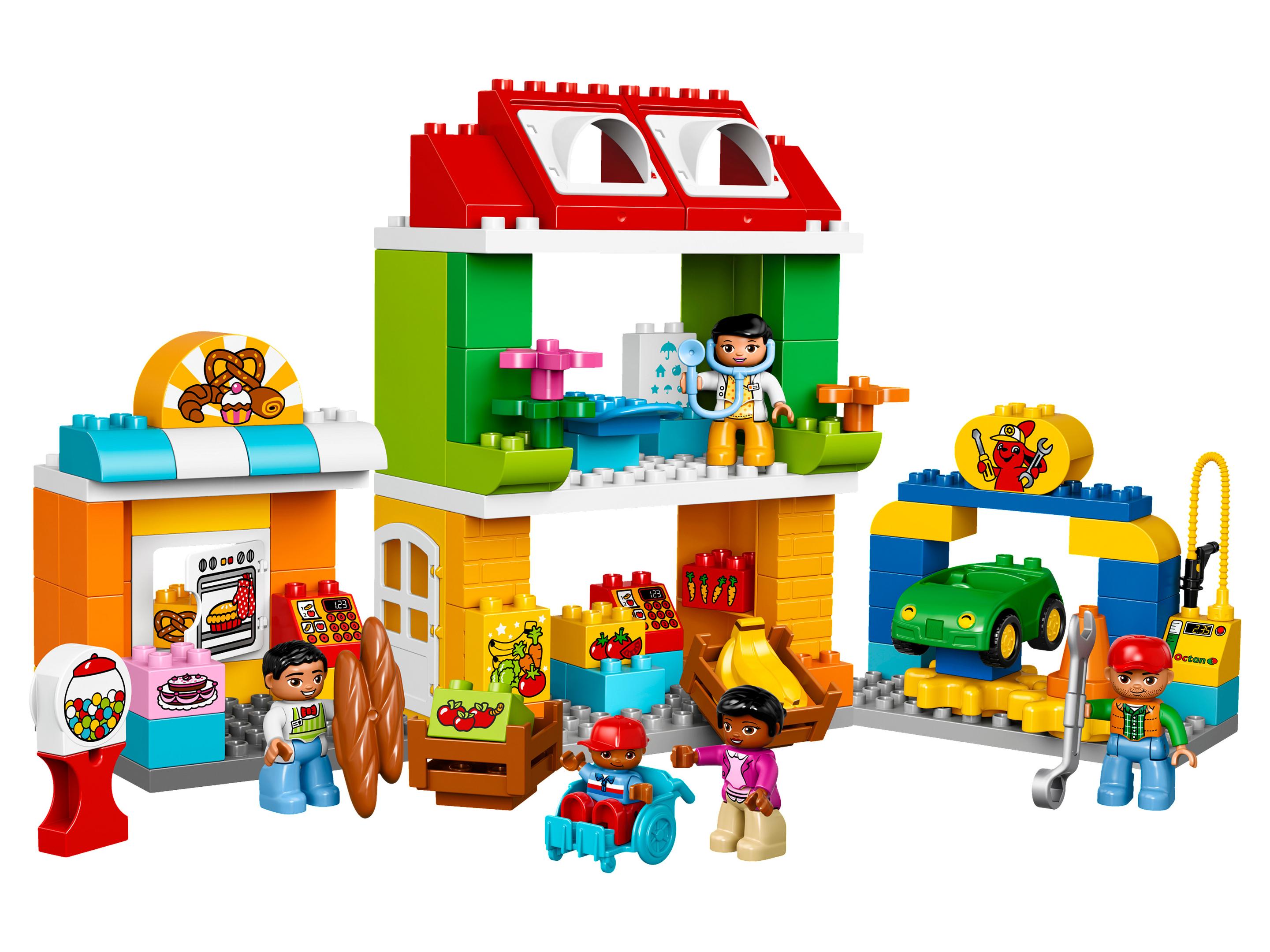
Sub-lines within Town included Paradisa (a beach/resort line aimed at girls), Res-Q (rescue and emergency vehicles), Outback, Town Jr. (simplified builds for younger kids), and Adventurers (an expedition-themed offshoot that eventually spun out as its own theme). The variety means Town sets cover a wide range of build styles and complexity levels — small impulse sets at 30–60 pieces alongside flagship 600+ piece airports and modular shopping centres.
Town was retired in 2004 and immediately rebranded as LEGO City, which has continued more or less the same product strategy with updated bricks and licensing. Original Town sets are now firmly in collector territory — sealed sets and complete-with-instructions sets command notable premiums, especially the 1980s and early 1990s flagship sets.
For collectors hunting Town: BrickLink and the Brickset auction tracker are the standard references. Look for sets with intact printed bricks (Town used a lot of printed pieces — windows, doors, signs — that don't age well in damp storage).